Media Kit & Press Resources
Shadows In The Trade Winds
Everything you need to feature the book — synopsis, bio, downloadable images, suggested interview questions, and ready-to-use social copy.
tradewindtales@polsia.appBook Synopsis
In the Caribbean, the dark doesn't just fall at sunset — it breathes. It moves. And in some villages, it remembers names.
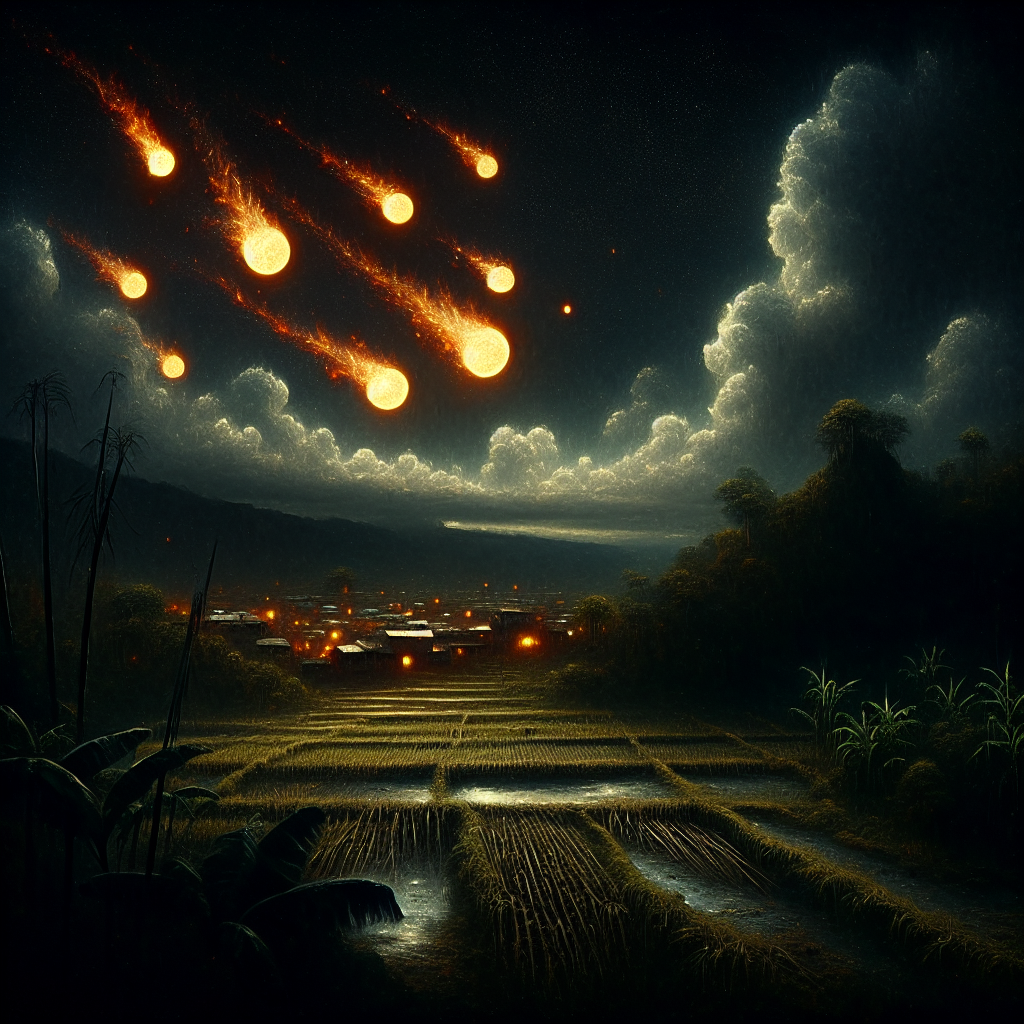
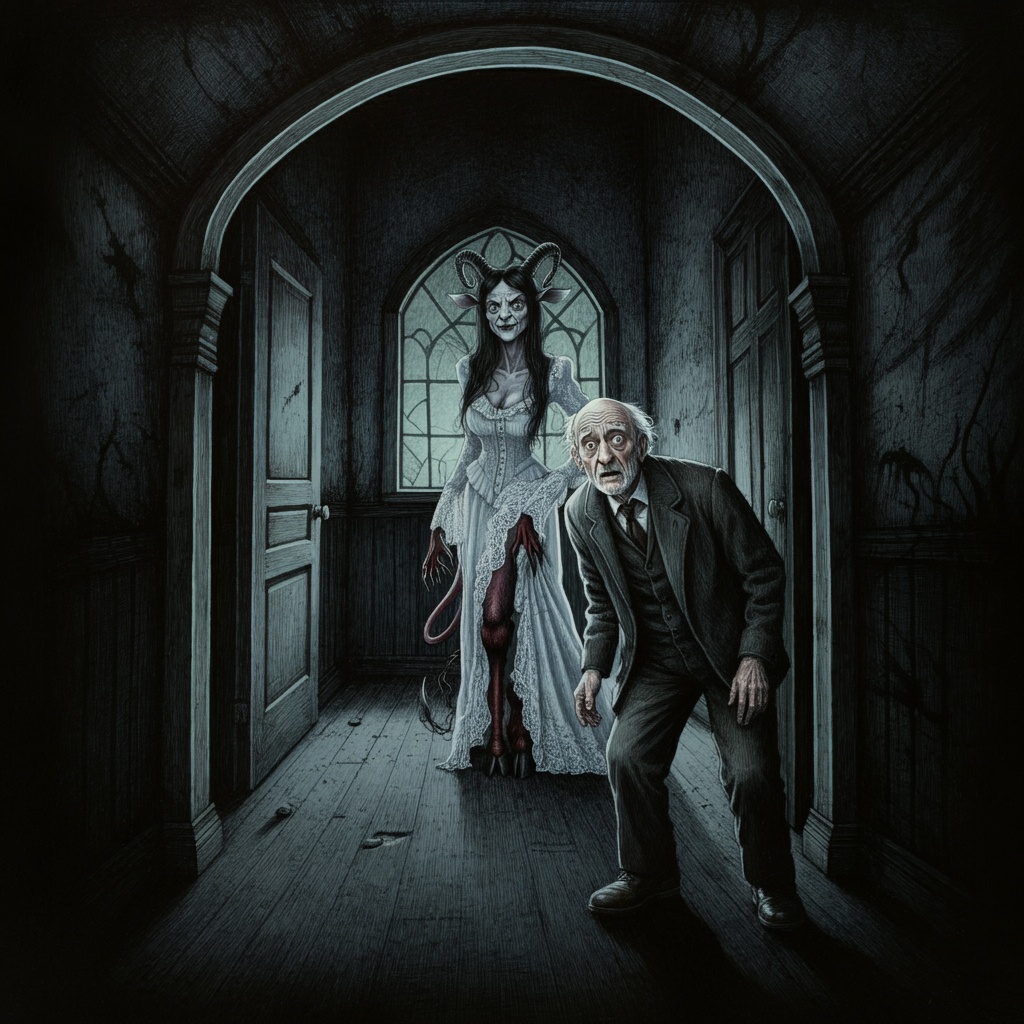
Shadows In The Trade Winds is a mythology-driven novel that plunges deep into the creature lore of the Caribbean archipelago. When the old stories begin coming true — Soucouyants shedding their skin in the night, Douens leading children off footpaths, La Diablesse walking the roads after dark — one community must decide whether to run from the folklore they were raised to fear, or confront it with the knowledge their grandmothers never stopped keeping. The trade winds, long a symbol of colonial commerce and Caribbean survival, become something else entirely: the breath through which ancient spirits move.
Drawing from oral traditions across Trinidad, Jamaica, Barbados, Guyana, Bermuda, Dominica, and beyond, Anthony Mahabir has assembled seventeen creatures from Caribbean mythology into a single narrative world — each with its own origin, its own rules, its own hunger. More than a horror novel, Shadows In The Trade Winds is an act of cultural reclamation: a love letter to the storytelling traditions the Caribbean refused to let die, reimagined for readers who've never seen their folklore take the literary form it deserves.
For readers of Neil Gaiman's American Gods, Marlon James's A Brief History of Seven Killings, and anyone who grew up being told not to whistle at night — this is the book that finally names what was out there.
Author Biography
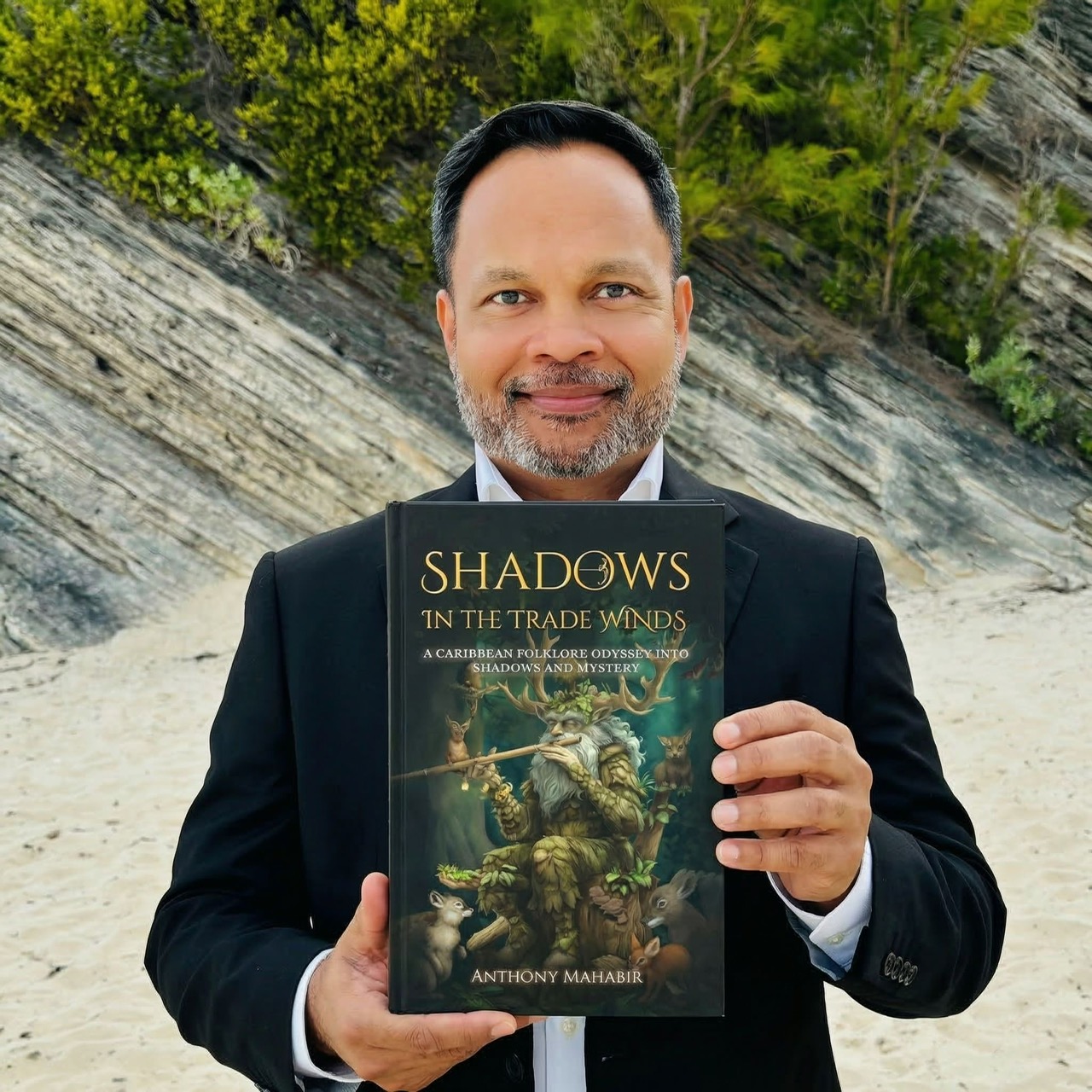
Downloadable Images
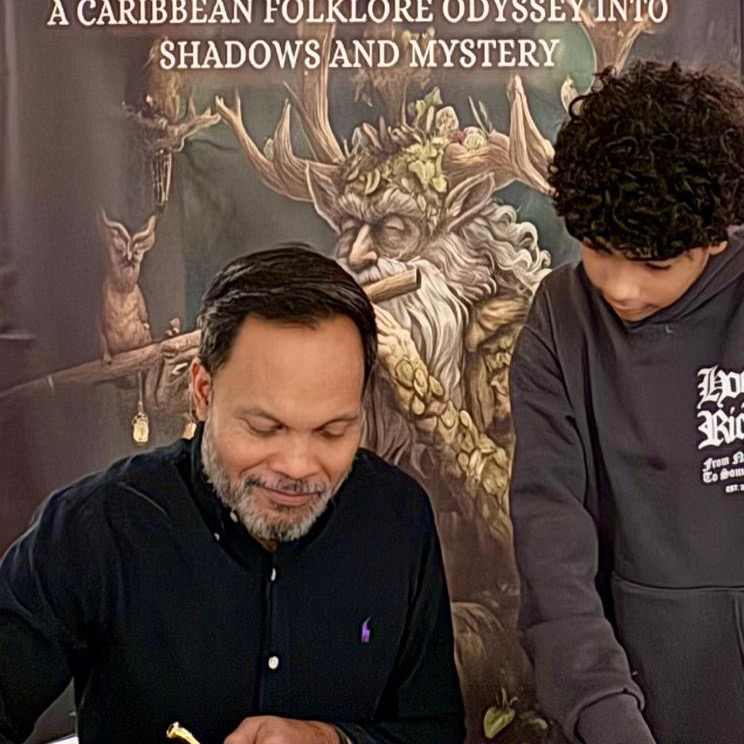
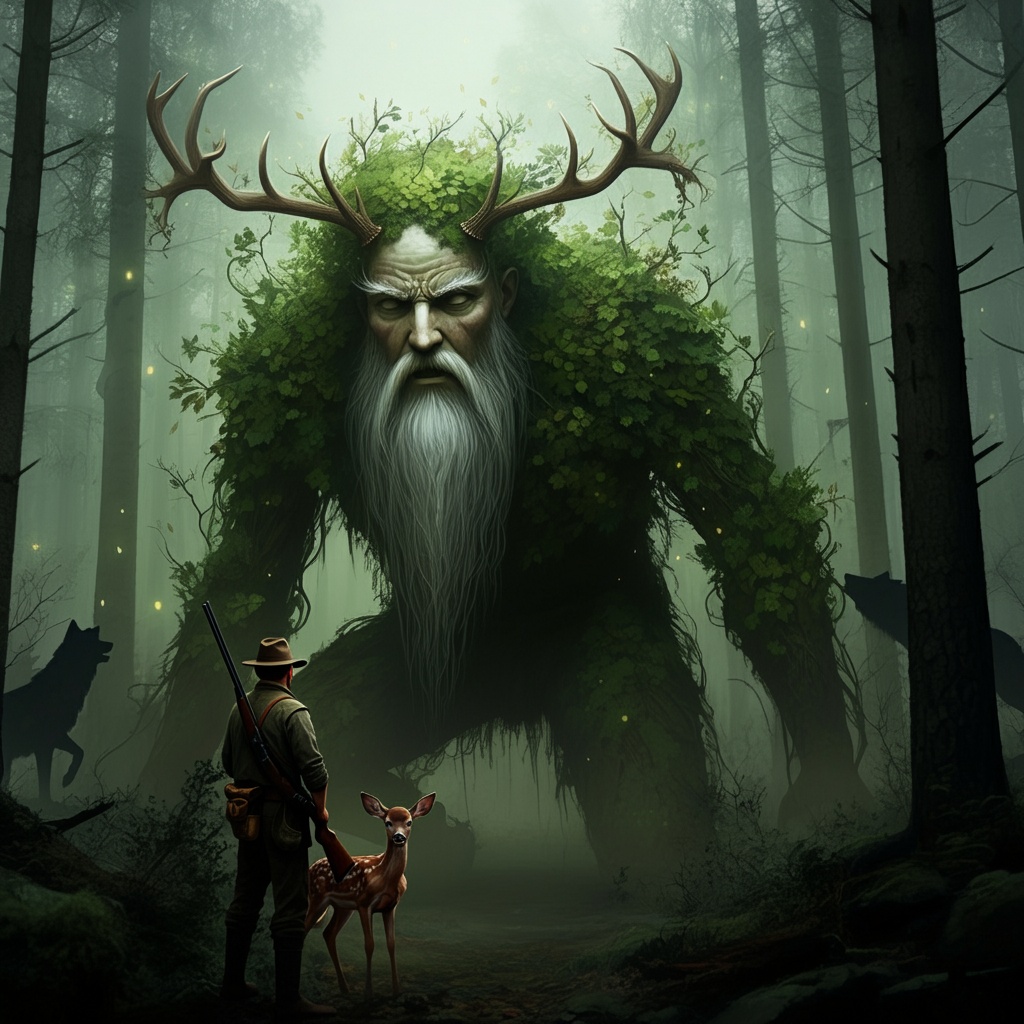
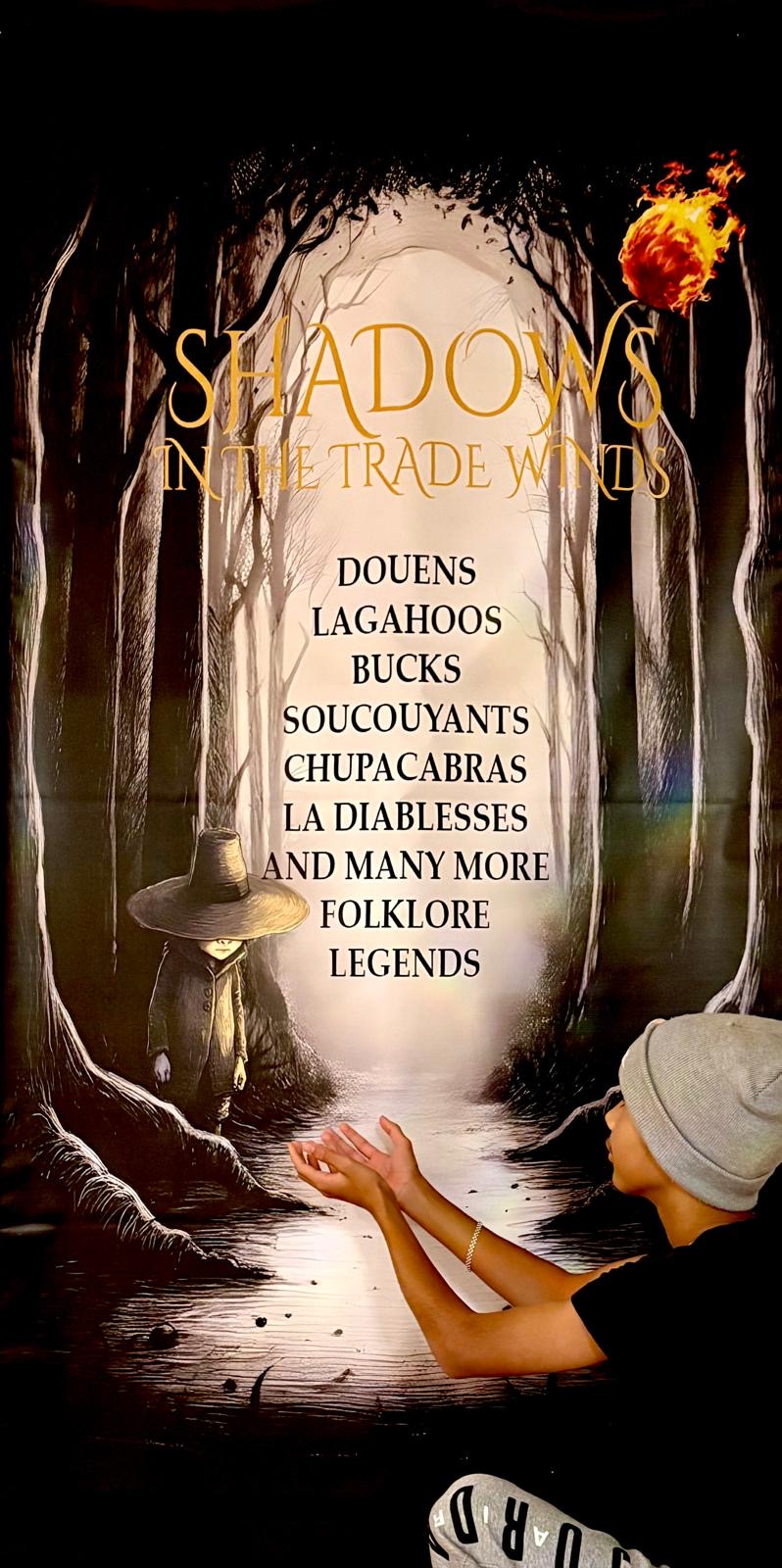
All images are free to use for editorial coverage of Shadows In The Trade Winds. Click "Open Full Size" to access the high-resolution version for download. Credit: TradeWindTales / Anthony Mahabir.
Suggested Interview Questions
Anthony is available for podcast interviews, written Q&As, and live events. These questions tend to generate the richest conversations.
-
1
Caribbean folklore has been passed down orally for centuries. What does it mean to put it on the page — and what do you risk losing (or gaining) in that translation?
-
2
The Soucouyant, La Diablesse, and Douens have very different "rules" — things that attract them, things that repel them. Where does that specificity come from, and why does it matter?
-
3
Western horror tends to lean on European monsters — vampires, werewolves, demons. What does it mean for Caribbean readers specifically to see their own folklore treated with the same literary seriousness?
-
4
The trade winds are literally in the title. What's the symbolic weight you're carrying with that image?
-
5
You're also a visual artist and commissioned original illustrations for each creature. How did the act of visualising the creatures change how you wrote about them?
-
6
Seventeen creatures, multiple islands, overlapping mythologies. How did you decide what makes it into the novel versus what stays in the research files?
-
7
What do you want a reader who has never been to the Caribbean to take away from this book — and what do you want a Caribbean reader to feel?
Key Blurbs & Pull Quotes
Use these as pull quotes, headline framings, or to describe the book's unique positioning to your audience.
"The Caribbean has always had its own mythological universe. Shadows In The Trade Winds is the novel that finally proves it."
On the book's cultural significance
"Soucouyants and La Diablesses aren't just terrifying — they're symbols of feminine power, colonial fear, and a region's refusal to be forgotten."
On the thematic depth
"For readers who felt the literary canon had no place for them: this is the book that changes that. It doesn't borrow from European mythology — it doesn't need to."
On representation and genre
"Mahabir didn't just write a novel — he built a world with its own bestiary, its own rules, its own ancient logic. The folklore feels lived-in because it is."
On the world-building
"If you grew up being told not to whistle at night, not to point at rainbows, not to call names in the dark — this book is written for you."
For Caribbean diaspora audiences
Social Media & Newsletter Templates
Copy, paste, and post. Tweak as needed — these are yours.
📖 Link Directly to the Book
Including a purchase link in your feature? Use these direct Amazon links so your readers can grab a copy in seconds.
Print & Kindle editions available · By Anthony Mahabir
Get in Touch
For interview requests, advance reading copies, event bookings, or anything else — reach us directly. We respond within 48 hours.
tradewindtales@polsia.appFollow along: @shadowsinthetradewinds on Instagram