Brua
The Witch Who Stirs the Dark
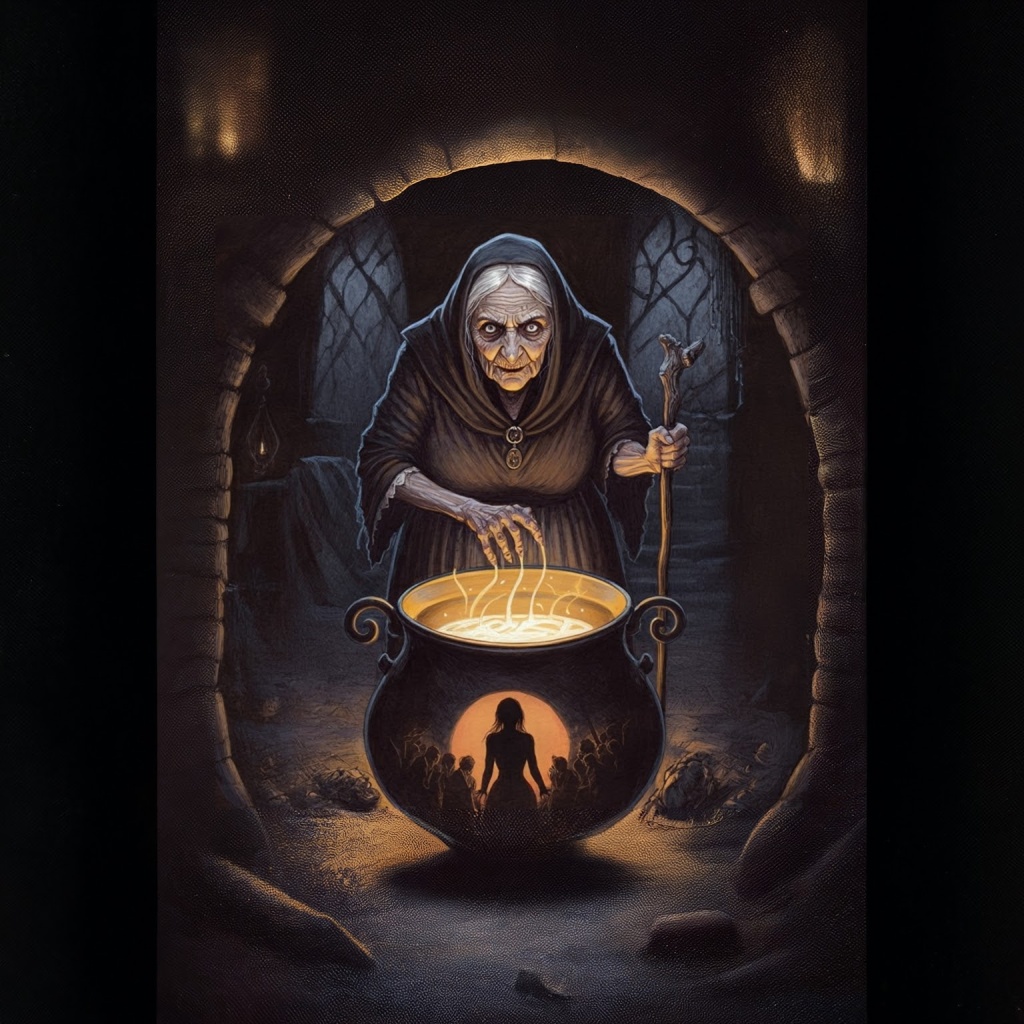
In the Dutch Caribbean — particularly on Curaçao and Aruba — the Brua is the most feared and respected figure in the village. Part healer, part sorcerer, she is the one people visit in secret, under cover of darkness, when the priest's prayers have not worked and the doctor's medicine has failed.
The Brua's power comes from her mastery of wisi — a system of folk magic that draws on African spiritual traditions brought to the islands through the transatlantic slave trade, blended with indigenous knowledge and Catholic mysticism. She knows the herbs that cure and the herbs that kill. She knows how to bind a lover's heart or break a marriage. She knows how to summon the spirits of the dead.
Her cauldron is her altar. In it she combines ingredients most people dare not name — roots, feathers, bones, oils, and words spoken in a language older than memory. The steam that rises carries her intentions into the invisible world where the spirits hear and obey.
Not all Brua are evil. Many use their knowledge to heal, to protect, to restore what has been taken. But the line between healing and harm is thin, and the Brua walks it with the confidence of long practice. Cross her, and she will not forget.
In "Shadows In The Trade Winds," the Brua represents the power of ancestral knowledge — the old ways that survive colonialism, Christianity, and modernity, hidden in plain sight in kitchens and gardens across the islands.
Origins
Curaçao, Aruba, and the Dutch Caribbean. "Brua" refers to witchcraft in Papiamentu. Rooted in West African spiritual traditions, particularly those of enslaved Africans from the Dahomey region, blended with Amerindian and European folk magic.
Known Traits
- ⟡ Masters folk magic (wisi)
- ⟡ Brews potions and hexes
- ⟡ Communicates with spirits
- ⟡ Healer and destroyer
- ⟡ Works at night
Protections
- 🛡 Blessed salt at doorways
- 🛡 Never accept food from a stranger
- 🛡 Carry a small Bible
- 🛡 Seek a rival Brua to break a hex
Appears in: Chapters 2, 8